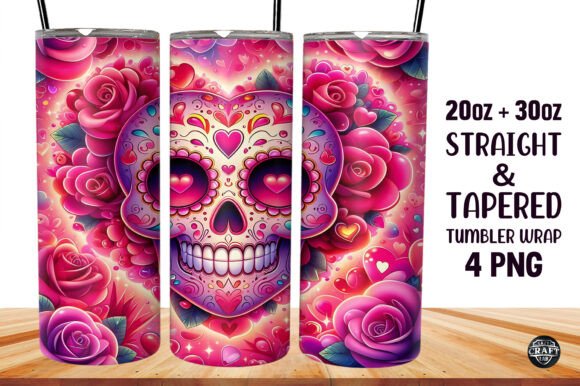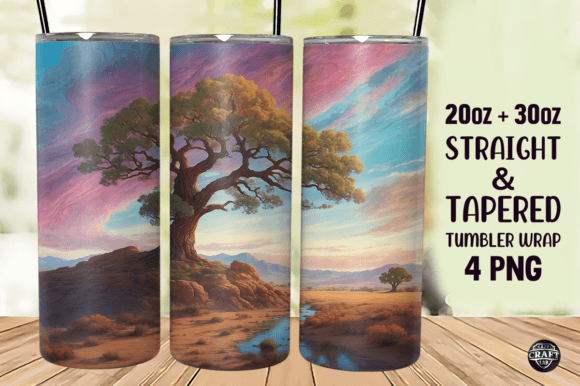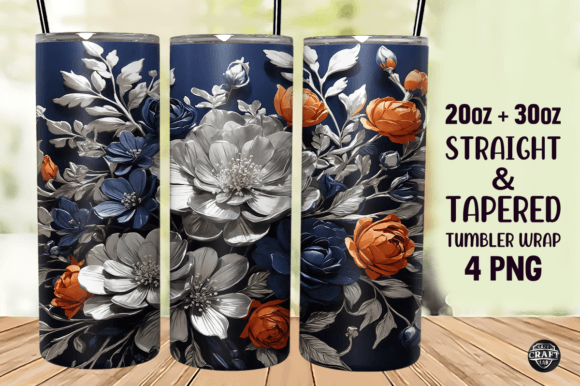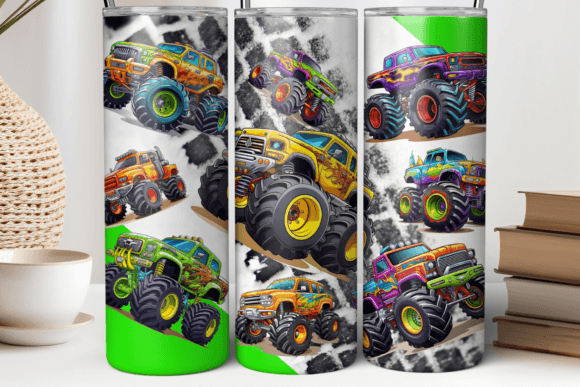
The FIRST but NOT the LAST 20oz Tumbler Review
First Impressions: A Design with Personality
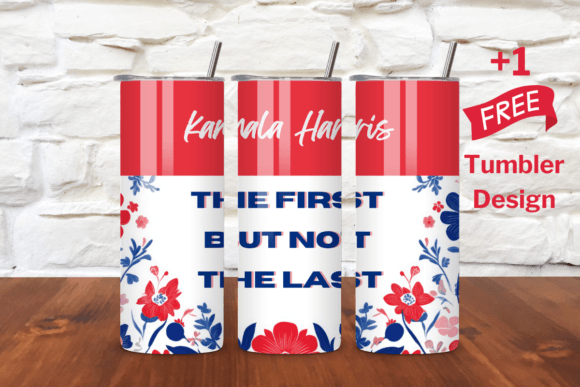
When I first laid eyes on The FIRST but NOT the LAST 20oz Tumbler, I felt a sense of curiosity. The design has a bold, modern vibe that immediately makes it stand out. It’s not your typical generic graphic—it carries a confident edge that speaks to someone who wants their embroidery to be noticed.
The layout is clean and intentional, with a balance between visual interest and simplicity. The theme feels versatile enough to adapt to various projects without losing its identity. It's a design that could easily become a signature piece for an Etsy seller or a boutique brand looking to add some flair to their product line.
Real-Life Application: What Does It Look Like Stitched?
I imagined using this design on a custom embroidered tote bag. As I visualized the stitching process, I considered how the details would translate from the PNG file to fabric. The lines are crisp, and the shapes are well-defined—perfect for a satin stitch or fill stitch application.
For a project like a sweatshirt embroidery or tote bag design, this design would bring a fresh, contemporary look. It could also work beautifully as an embroidered patch or even on holiday embroidery items like pillow covers or tea towels. The detail level is just right—not too intricate that it becomes overwhelming, but enough to make it visually engaging.
One thing that stood out was how well the design scales. Whether you're working on a small hoop size or a larger commercial embroidery setup, the elements remain clear and recognizable. That flexibility is a big plus for anyone looking to use it across different products.
Where This Design Shines and Where to Be Careful
The FIRST but NOT the LAST 20oz Tumbler works best on medium to heavy-weight fabrics where the texture doesn’t interfere with the clarity of the stitches. On a handmade product like a baby onesie or apron, the design would pop nicely if paired with the right thread colors and stabilizer.
However, I’d recommend using caution when applying this design to stretchy fabrics or dark-colored garments. The contrast might not be as strong, and the stitching could distort slightly. Testing the design on scrap fabric first is always a good idea, especially if you plan to use it on custom apparel or personalized gifts.
Also, while the design handles curved surfaces reasonably well, I wouldn’t push it too far on something like a cap or hat. Those areas require more precision and a tighter stitch density, which this design might not support without adjustments.
Design Notes for Embroidery Professionals and Crafters
If you’re an Etsy seller or running a craft business, consider how this design aligns with your brand aesthetic. It’s a great fit for small shop products that need a touch of personality without being too flashy. Pairing it with other complementary designs could create a cohesive collection for your digital product previews or printable mockups.
Before committing to a final project, take time to check the stitch density and ensure the thread colors match your vision. If you're planning to sell finished items or digital embroidery files, always confirm the licensing terms to avoid any legal issues down the road.
Testing the design in both black and white mockups can help you see how it will look on different fabric backgrounds. This step is especially important if you're targeting a wide range of customers or creating commercial embroidery pieces that need to be consistent across multiple items.
Final Thoughts: A Versatile Addition to Your Design Library
The FIRST but NOT the LAST 20oz Tumbler is a solid choice for anyone looking to add a unique, eye-catching element to their embroidery projects. Its clean lines and balanced composition make it suitable for a variety of uses—from handmade product embellishments to small business merchandise.
Whether you're designing for a personal project or preparing assets for your craft fair products, this design brings a modern touch that can elevate your work. Just remember to test it on fabric first and adjust based on the material and intended use. With a little care and attention, this design can become a go-to asset in your creative toolkit.